

































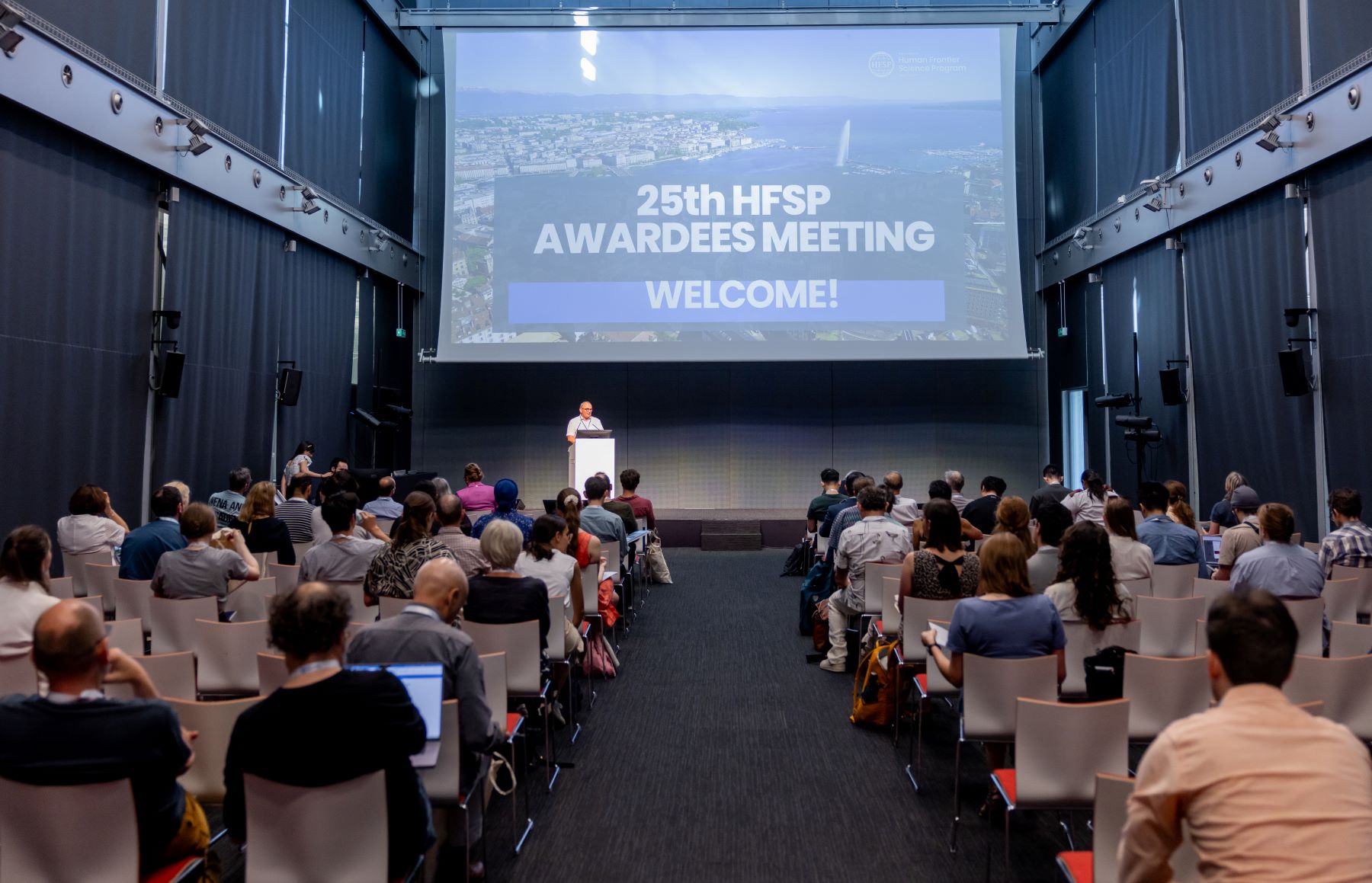
The scientific program combined oral presentations with an extensive poster program. Thirty researchers introduced their work through three poster teaser sessions, while 85 posters were presented across three dedicated poster sessions, creating opportunities to explore new research, exchange ideas and establish connections across fields and countries.
One of the highlights of the meeting was the HFSP Nakasone Lecture delivered by Erin M. Schuman, from the Max Planck Institute for Brain Research in Frankfurt and recipient of the 2026 HFSP Nakasone Award. In “The messages and machines for protein production at synapses,” Schuman explored how neurons localize mRNAs and the machinery for protein synthesis within their complex structures, and the mechanisms they use to meet local protein demands in axons, dendrites and synapses.
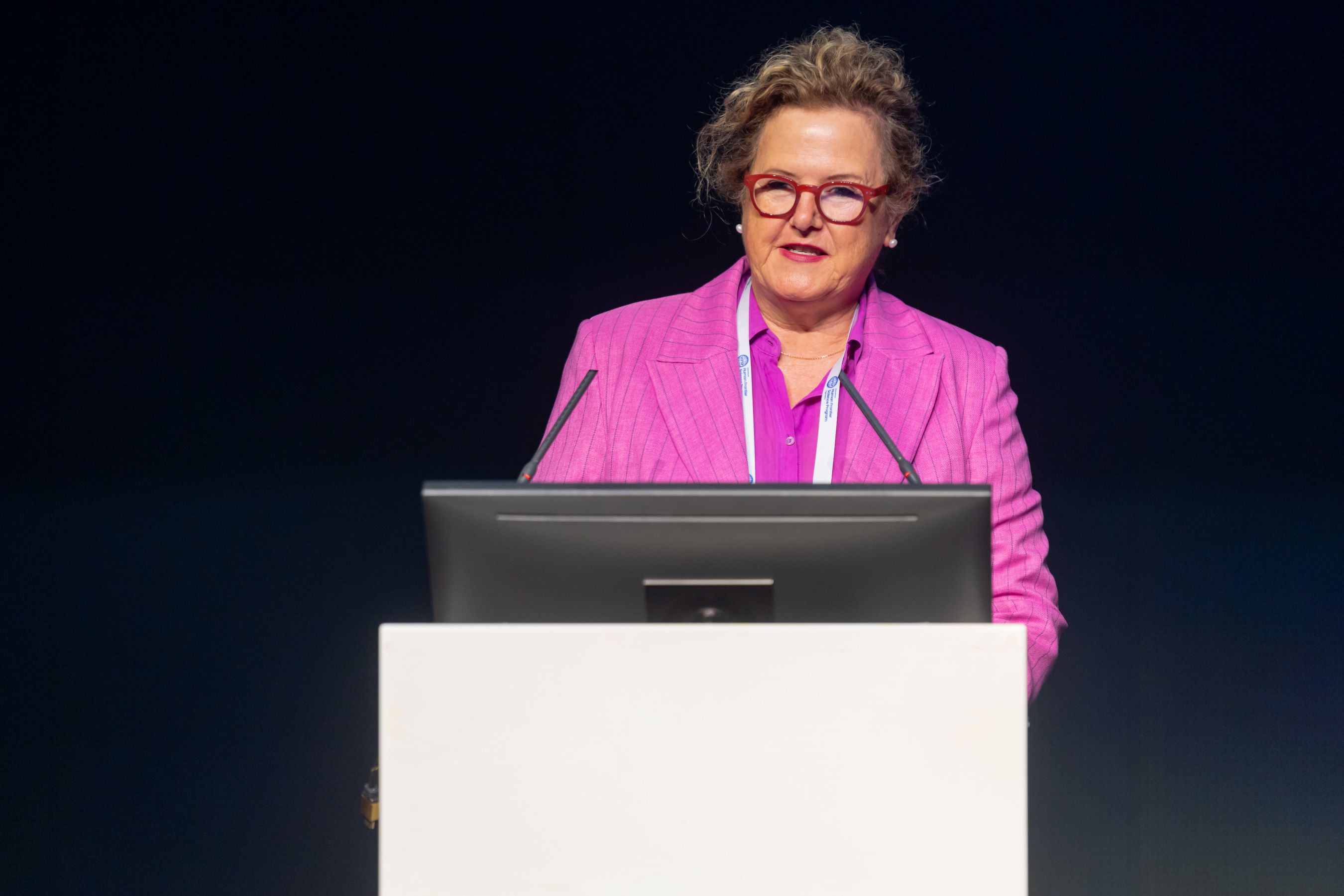
The program also featured a keynote lecture by Francisco J. Barrantes, from UCA, Argentina. His talk, “Aeons of togetherness between sterols and membrane proteins in living cells,” took participants on an evolutionary journey through the long relationship between sterols and membrane proteins, from primitive organisms to neurotransmitter receptors in the human brain.
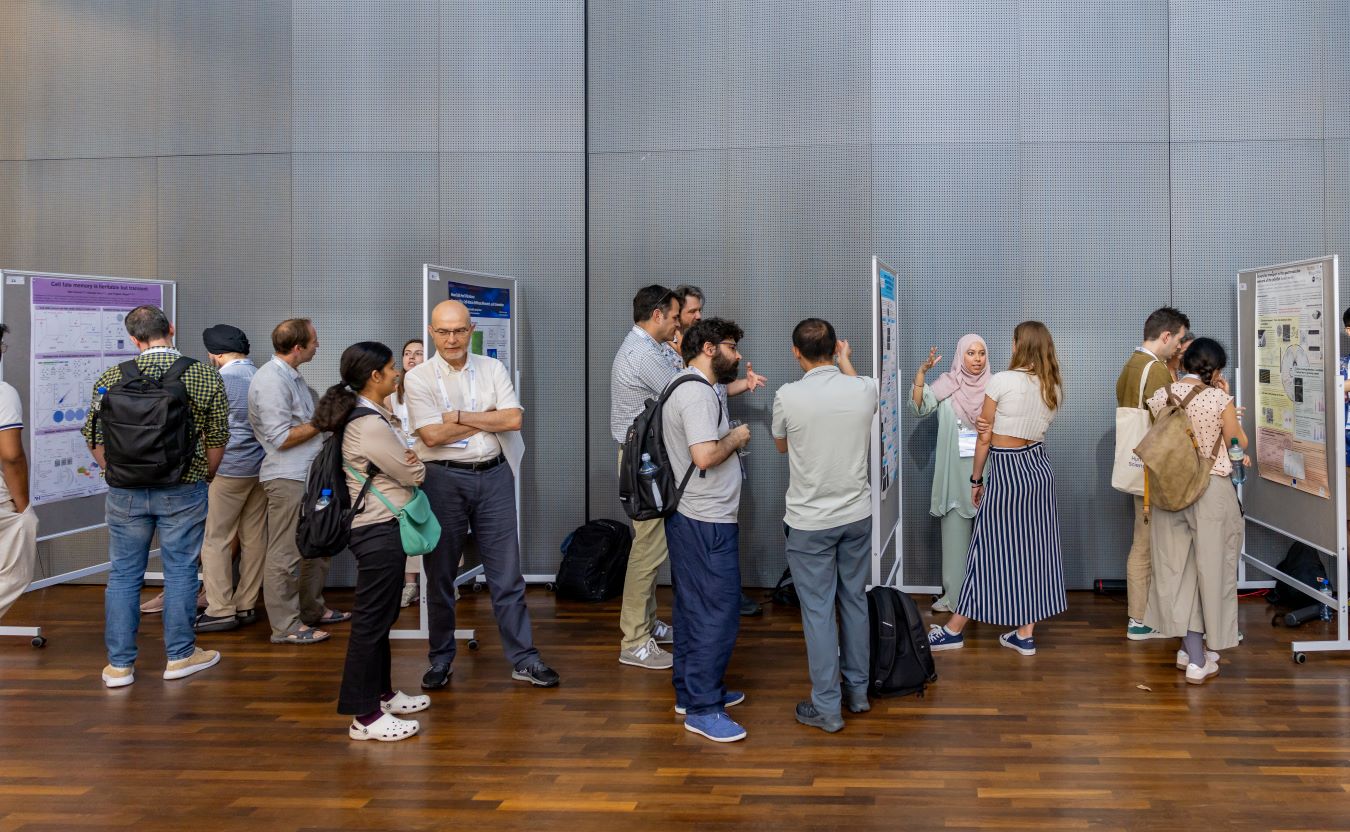
Scientific exchange continued beyond the lecture hall. The three poster sessions were among the liveliest moments of the meeting, giving researchers time and space for in-depth discussions about their work and encouraging new conversations across disciplines.
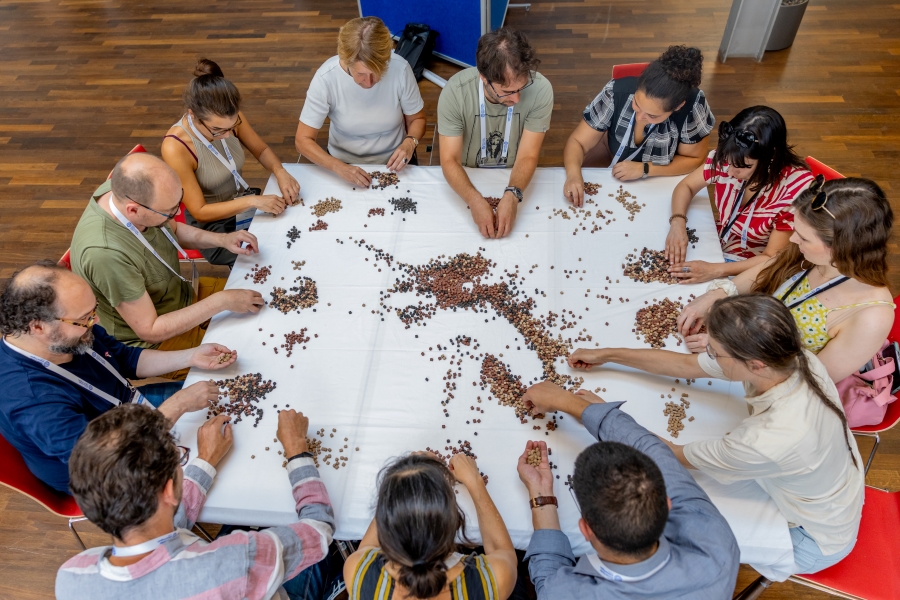
This year, participants could also become part of the research themselves. The interdisciplinary Harmony in Dynamics team brought the participatory artwork and research experiment Tä to the meeting. Sitting around a table and following simple rules, participants manipulated piles of pebbles without speaking or communicating directly. As the game progressed, individual actions began to synchronize and collective patterns emerged.
Combining design, neuroscience, complex systems and participatory art, the project investigates how individual actions can develop into adaptive group dynamics. Throughout the meeting, HFSP participants contributed directly to the ongoing experiment while experiencing an unusual example of interdisciplinary research in action.
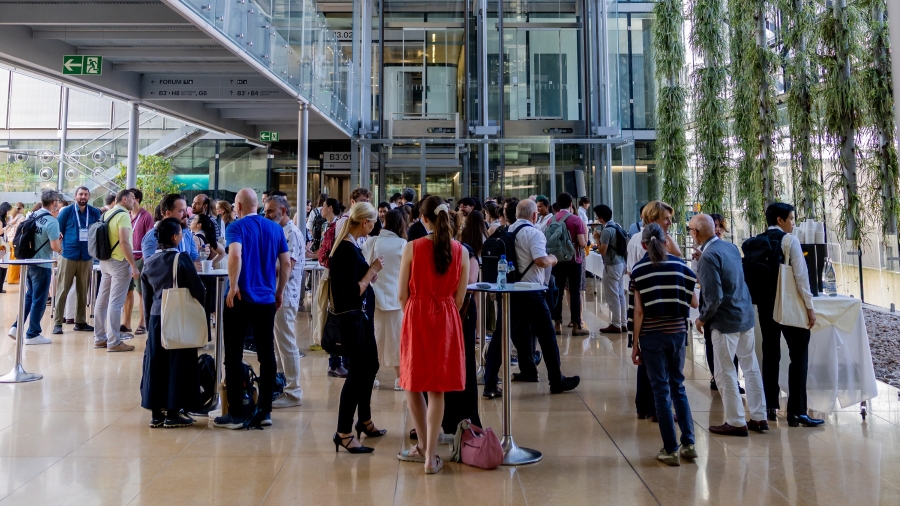
The Awardees Meeting was also about the conversations happening between the scheduled sessions. Coffee and lunch breaks offered plenty of opportunities to reconnect with colleagues, meet researchers from other fields and countries, and continue discussions sparked by presentations and posters.
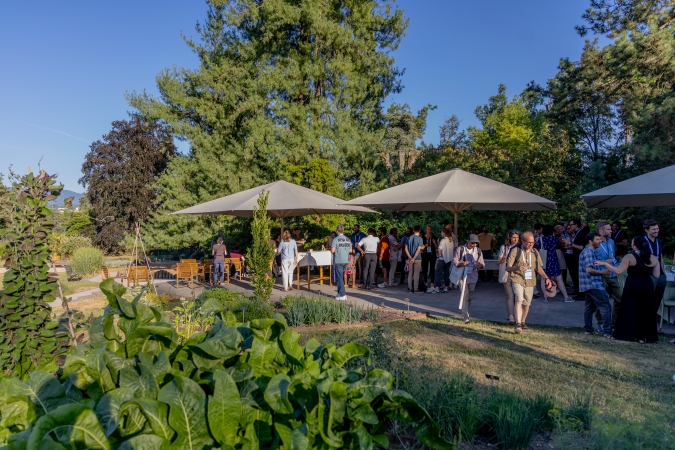
This year, the community came together for the Meeting Dinner at the Botanical Garden of Geneva. For the first time, the Awardees Meeting dinner featured an entirely vegetarian menu, providing a memorable setting for participants to continue conversations and enjoy an evening together outside the scientific program.
The scientific discussions in Geneva had begun a day earlier, on 7 July, with the HFSPO High-Level Summit, “Frontier Science as an Engine of Innovation,” organized in partnership with the Swiss National Science Foundation (SNSF). Two plenary sessions brought together perspectives from science and policy, complemented by six scientific talks from researchers based in Switzerland. The Summit provided a broader setting in which to consider the importance of frontier research and its contribution to scientific and societal innovation before the HFSP community gathered for the Awardees Meeting.
Across four days of activities in Geneva, the High-Level Summit and 25th HFSP Awardees Meeting highlighted different dimensions of the same ambition: creating the conditions for frontier science to flourish through international exchange, interdisciplinary thinking and collaboration.
For more information:
25th Awardees Meeting – Book of Abstracts