


































Erin Schuman, the 2026 HFSP Nakasone Award winner, and HFSP Research Grant alumna Christine Holt share the 2026 Kavli Prize in Neuroscience for pioneering discoveries that transformed our understanding of how neurons produce proteins locally to support brain development, learning, and plasticity.
12 June 2026
The Norwegian Academy of Science and Letters announced that the 2026 Kavli Prize in Neuroscience has been awarded to Christine Holt, Kelsey Martin, Erin Schuman, and Oswald Steward “for the discovery of local protein translation in neurons and establishing its importance for brain development and plasticity.” The prestigious prize recognizes decades of research that overturned long-standing assumptions about how proteins are produced within nerve cells and revealed how neurons can rapidly adapt and modify their connections.
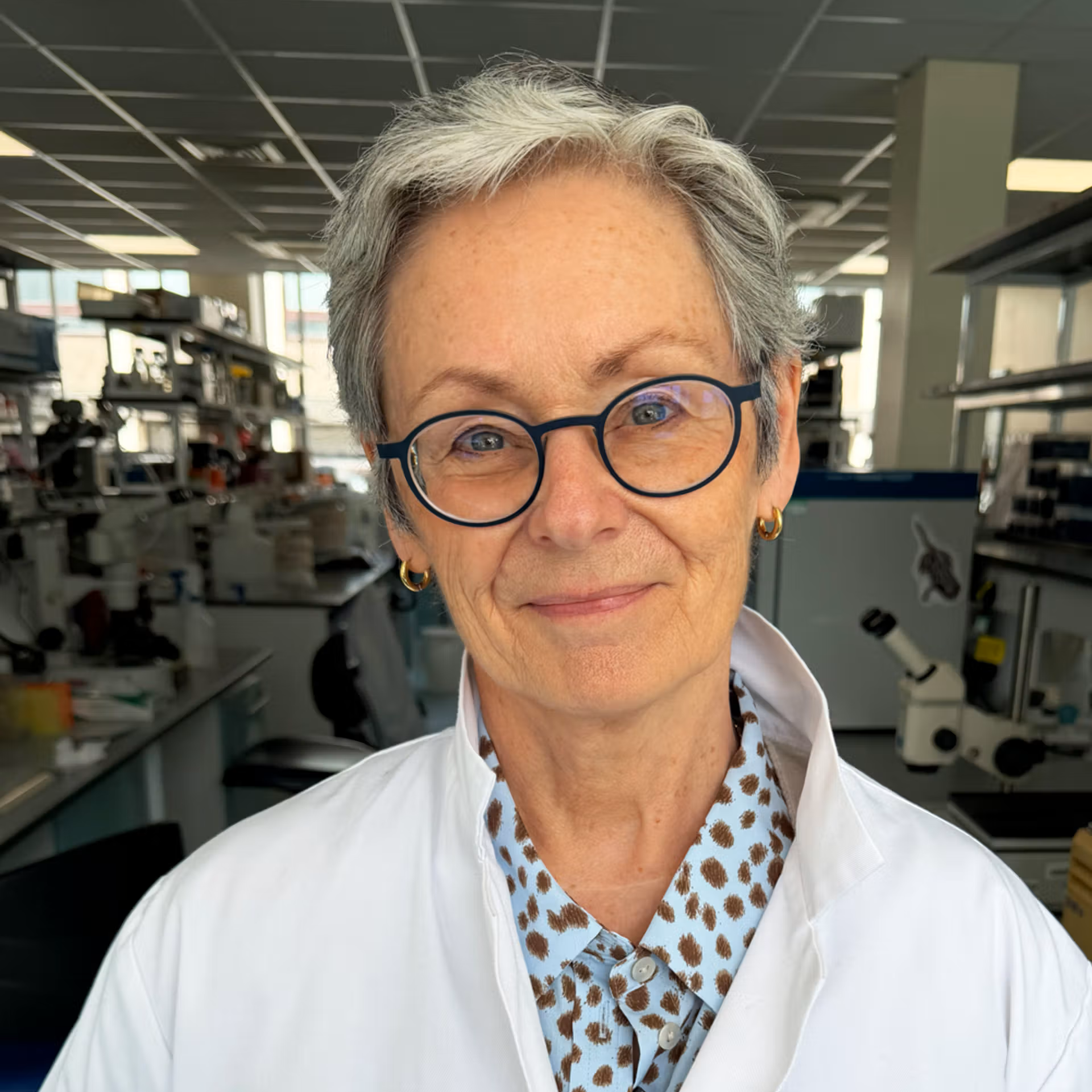
The recognition holds special significance for the HFSP community. Earlier this year, Erin Schuman, Director at the Max Planck Institute for Brain Research in Germany, received the 2026 HFSP Nakasone Award for her pioneering work demonstrating that proteins can be synthesized locally within neuronal compartments. Her discoveries fundamentally changed how scientists understand neuronal communication and the mechanisms underlying learning and memory.

HFSP has also supported the work of Christine Holt, Emerita Professor of Developmental Neuroscience at the University of Cambridge, through a 2009 HFSP Research Grant. Her HFSP-supported project investigated how growing nerve fibers navigate through the developing brain, focusing on the role of local protein synthesis and degradation in guiding axons to their correct targets. Using innovative optical approaches, her team explored how extracellular signals trigger localized molecular responses within neuronal growth cones, providing key insights into the cellular mechanisms that shape neural circuitry.
The contributions of the laureates demonstrated that neurons can produce proteins directly at synapses and along distant neuronal extensions, tailored to immediate needs. This localized protein translation empowers individual synapses to operate independently and respond swiftly, laying the molecular groundwork for learning, memory formation, and neural plasticity. The implications of their research reach beyond neuroscience fundamentals. By uncovering vital mechanisms that govern brain development and functionality, the work of the Kavli laureates has paved new paths for understanding neurological and psychiatric disorders, potentially guiding the development of novel therapeutic strategies.
HFSP congratulates Erin Schuman and Christine Holt on their outstanding international recognition. Their achievements exemplify the curiosity-driven, interdisciplinary research that HFSP seeks to support and demonstrate how fundamental discoveries can reshape our understanding of complex biological systems.